
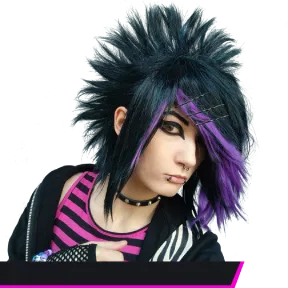

Modern cyberspace is sterile. Scrolling through Instagram, TikTok, or LinkedIn feels like being trapped in one endless, suffocating corporate status meeting where every single square millimeter of screen real estate has been optimized and neutered by engagement algorithms. It comes as no surprise that deep within the web, the MySpace Revival movement ignited – a grassroots exodus of people who crave tinkering with raw HTML once again and designing loud, gloriously hideous profiles.
To comprehend why kids (and adults) in 2026 are putting neon skinny jeans back on and plastering pixelated mayhem across their monitors, we have to dial back half a century. This isn't a story about fast-fashion mall trends. It's the history of a genetic mutation of rebellion: one that started in grime, crawled through tears and digital plastic, and emerged as an escape hatch from the corporate order.
1. The Genetic Breakthrough: When Punk Met the Hippies (Late '70s & Early '80s)
It all begins with profound disillusionment. The late 1970s belonged to raw, destructive punk rock. The Sex Pistols, with their seminal anthem "Anarchy in the U.K." (1976) and their nihilistic "No Future" battle cry, made their agenda crystal clear: tear down the system. Yet hurling beer bottles at riot cops quickly ate its own tail, degenerating into mindless macho bloodbaths in the mosh pits.
At that same turn of the decade, the hippie dream was gasping its last breath, burned out by hard drugs and political reality. Punks openly sneered at hippies for their passivity and naive flower power, but subconsciously they hijacked their most crucial core: radical inward introspection, anti-violence, and the hunger for emotional tribe.
The crucible for this mutation was Washington, D.C. in the mid-1980s. The crew rallied around Ian MacKaye's fiercely independent Dischord Records got sick to death of sloganeering about politicians. Bands like Rites of Spring (their self-titled 1985 LP) and Embrace harnessed raw hardcore velocity and turned the crosshairs inward. Emotional Hardcore (dubbed Emo-core) was born. Frontmen openly sobbed on stage, their voices splintered into desperate cracks, and audiences sought communal catharsis rather than broken noses. The concurrent Straight Edge movement kicked out booze and dope, championing vegetarianism and radical human dignity – practically a hippie commune crammed inside the sweat-drenched walls of an urban hardcore basement.
2. The Mainstream Emo Blast & The My Chemical Romance Paradox (2000–2006)
Throughout the 1990s, the flame mutated underground through Midwest emo (Sunny Day Real Estate, American Football), until the dawn of the new millennium when it slammed into the mainstream with the impact of a meteor. The aesthetic evolved: pitch-black clothes, striped sweaters, pyramid studs, and swooping asymmetric fringes.
This is when My Chemical Romance detonated with "Three Cheers for Sweet Revenge" (2004) and their theatrical opus "The Black Parade" (2006). These records became the sacred visual and sonic gospel for an entire disaffected generation.
Yet right here lay one of the era's biggest paradoxes. While serving as the absolute, undisputed global face of the emo subculture, MCR vehemently and relentlessly rejected the label. Gerard Way went on record in interviews calling emo a "pile of shit" and a lazy marketing bin created by the media to herd anyone wearing eyeliner into a single pen. MCR viewed themselves as torchbearers of theatrical high-concept rock in the vein of Queen, David Bowie, and Misfits-style horror glam. Despite their fierce pushback, the pop-culture juggernaut had already made its verdict.
3. The MySpace Era: Enter Digital Plastic and Scene Kids (2005–2012)
While traditional emo was brooding, melancholic, and deeply introverted, the web bred its screaming, hyper-extroverted sibling: Scene (Scene Kids). It stands as perhaps the very first purely internet-native subculture, forged in the fires of early social platforms – MySpace, Buzznet, and baby-steps YouTube.
Its currency was digital social capital, calculated in raw profile view counters. This birthed the phenomenon of MySpace Celebrities – icons like Jeffree Star, Kiki Kannibal, and Audrey Kitching, who skyrocketed to global fame purely on the back of outrageous, highly stylized internet personas.
The visual iconography of Scene:
- Massive, hairsprayed, backcombed manes with razor fringes draping over one eye and bleached coon-tail stripes.
- Screaming neon palettes (hot pink, electric green, acid blue) clashing against pitch black.
- Graphic tees featuring cartoon characters reworked into bloody gore (invaders Gir from Invader Zim and Gloomy Bear reigned supreme).
- Skin-tight drainpipe denim, multi-row studded belts, and shutter shades.
- The iconic "MySpace pic" – shot from a high overhead angle with an outstretched arm, bleached out by an overbearing flash.
Sonically, pure chaos erupted. Pop-punk found a massive party anthem lane through All Time Low (their 2007 breakthrough "So Wrong, It's Right" and the timeless "Dear Maria, Count Me In"). On the opposite flank, Crunkcore emerged – an unhinged Frankenstein monster fusing club synths, screaming, and heavy 808 beats, spearheaded by Brokencyde and Millionaires.
4. Scenecore Evolution: Synths Invade the Pit (2008–2012)
When scene aesthetics collided head-on with heavy guitar breakdowns, Scenecore was unleashed. Heavy metalcore and post-hardcore were invaded by kids rocking neon t-shirts. Heavy bands started brazenly dropping cheap, 8-bit dance synths right into the middle of filthy breakdowns.
The monument to this madness was Attack Attack! and their legendary video for "Stick Stickly" (2009), immortalizing the infamous "crab walk" stage stance. Riding that same wave were early Bring Me The Horizon ("Suicide Season", 2008), Asking Alexandria ("Stand Up and Scream", 2009), and I See Stars. Old-school metal elitists despised it with a fiery passion, while scenecore bands moved millions in hyper-saturated, eye-searing merchandise.
The wave crested around 2013, exhausted by formulaic studio production and the collapse of MySpace in the shadow of Facebook's sterile real-name regime.
5. 2026 and MySpace Revival: War Against the Algorithmic Machine
The modern resurgence of this aesthetic isn't just cheap vintage recycling. It's propelled by two completely different, yet symbiotic currents.
Vector 1: The Grassroots Flight from Web 2.0/3.0
People are suffocating under algorithmic tyranny. Modern social platforms have morphed into sterile engagement traps obsessed with monetizing attention and pushing boring personal branding. Returning to MySpace aesthetics is a yearning for an internet that was wild, flawed, deeply personal, and unmonitored. Hence the explosion of spaces like SpaceHey (a ground-up MySpace recreation), where people handcraft raw HTML and CSS to claim their digital real estate. It's the reclamation of the right to digital ugliness, glitch, and visual riot against corporate minimalism.
Vector 2: The Nostalgia Commercial Machine
The entertainment industry spotted the goldmine immediately. Original emo/scene kids are now in their 30s and 40s with disposable income, while Gen Z romanticizes the 2000s as a mythic, unfiltered golden age. Massive stadium festivals like When We Were Young sell out within minutes.
Musically, this manifests in a fresh wave of artists, spearheaded by American act TX2 (Evan Thomas). He brazenly blends cutting-edge modern production with an extreme visual aesthetic, punk aggression, and unflinching lyrics tackling mental health crises – continuing the exact lineage established two decades ago. Alongside, an energetic wave of alt-pop and hyperpop freely samples the DNA of old crunkcore.
Conclusion: The Continuity of Rebellion
From Sex Pistols smashing British conformity, through Ian MacKaye pouring his guts out in a D.C. basement, Gerard Way defying easy marketing labels, right down to teenagers hand-coding SpaceHey profiles and blasting TX2 in 2026 – the core mission never changed. Only the tools and color palettes shifted.
Whenever the prevailing system – whether political in the 1970s or algorithmic-corporate in 2026 – becomes too claustrophobic and polished, the human instinct will always be to flee into raw, distorted chaos and claim the right to unvarnished, loud emotion.
"It's not just a phase, it's a lifestyle."

Comments / Discussion
Join the conversation and share your thoughts directly in our Telegram discussion thread.