
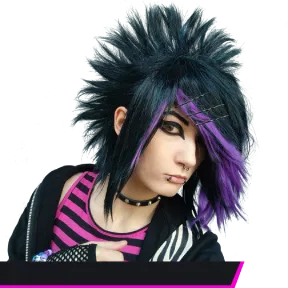

Let's get straight to the point without sugarcoating anything: this text has every right to sound raw and uncompromising, but if you're asking about alternative style out of genuine, harmless curiosity - this hostility is not directed at you. The sharp edges and aggression are reserved exclusively for malicious haters who use "concern" or societal norms as an excuse to humiliate anyone daring to look different. It's 2026, and we're still forced to explain that breaking gender stereotypes, non-conformity, and being queer isn't cheap provocation or a fetish, but basic autonomy that nobody has the right to strip away.
Constant questions like "why do you dress like a woman?" only expose how shallow and abstract societal definitions of masculinity and femininity truly are. Conformity is the most comfortable pair of handcuffs people willingly put on themselves - squeezing into a bland uniform of white tees and blue jeans, fearing a skirt or makeup far more than losing their actual identity. Subcultures like emo and scene have always been rooted in gender non-conformity and unapologetic rule-breaking. On top of that, in a world of late-capitalist pricing and disposable fast fashion, hunting for secondhand gems on Vinted and crafting an exaggerated personal style isn't just an artistic statement - it's an absolute refusal to become another factory-line clone.
Beneath the loud clothes lies something far deeper than surface-level rebellion: a desperate fight for control. When you navigate severe mental health disorders, chronic pain, or disabilities that strip away basic daily functions and isolate you at home, your own body starts to feel like a literal prison. You lose control over your health, your social life, and your daily routine. In that moment, styling becomes the single domain where you retain total agency. If society already sidelines or writes you off, why should you fade into the background? Style becomes the only shield that prevents illness and trauma from defining your entire existence.
Heavy makeup, neon hair, wigs, and layered accessories aren't an escape from reality - they are armor, like a spider's carapace shielding what's fragile underneath from a voyeuristic world. When fully styled, people on the street see the aesthetic rather than your vulnerability or crippling body dysmorphia. Moreover, anyone living the alt lifestyle knows "alt-dysphoria" - that deep detachment and emptiness when looking into the mirror in plain sweatpants and failing to recognize the person staring back. Calling people "posers" when alt folks are disappearing from the streets out of safety concerns is laughable. Everyone starts by emulating others, but staying true to yourself under relentless scrutiny takes a level of courage average critics will never possess.
In the end, it's not about pleasing algorithms or placating random pedestrians. We dress the way we do because we are queer, we are artists, and above all - we refuse to become invisible. Every hateful comment and attempt to box us in only ensures the next makeup look will be louder, and the aesthetic even more uncompromising. If you ever feel tempted to mock someone for looking "weird," remember: that person is likely fighting for their survival and carries more genuine courage than you ever will. Stay weird, stay unapologetic. 🖤
Comments / Discussion
Join the conversation and share your thoughts directly in our Telegram discussion thread.